Alice Springs to Uluru by campervan: 468 km of sealed desert highway
The Red Centre run from Alice Springs to Uluru: the sealed 468 km route, fuel and speed-limit planning, park pass costs, and whether you need a 4WD.
Updated 7 November 2026 · 6 min read
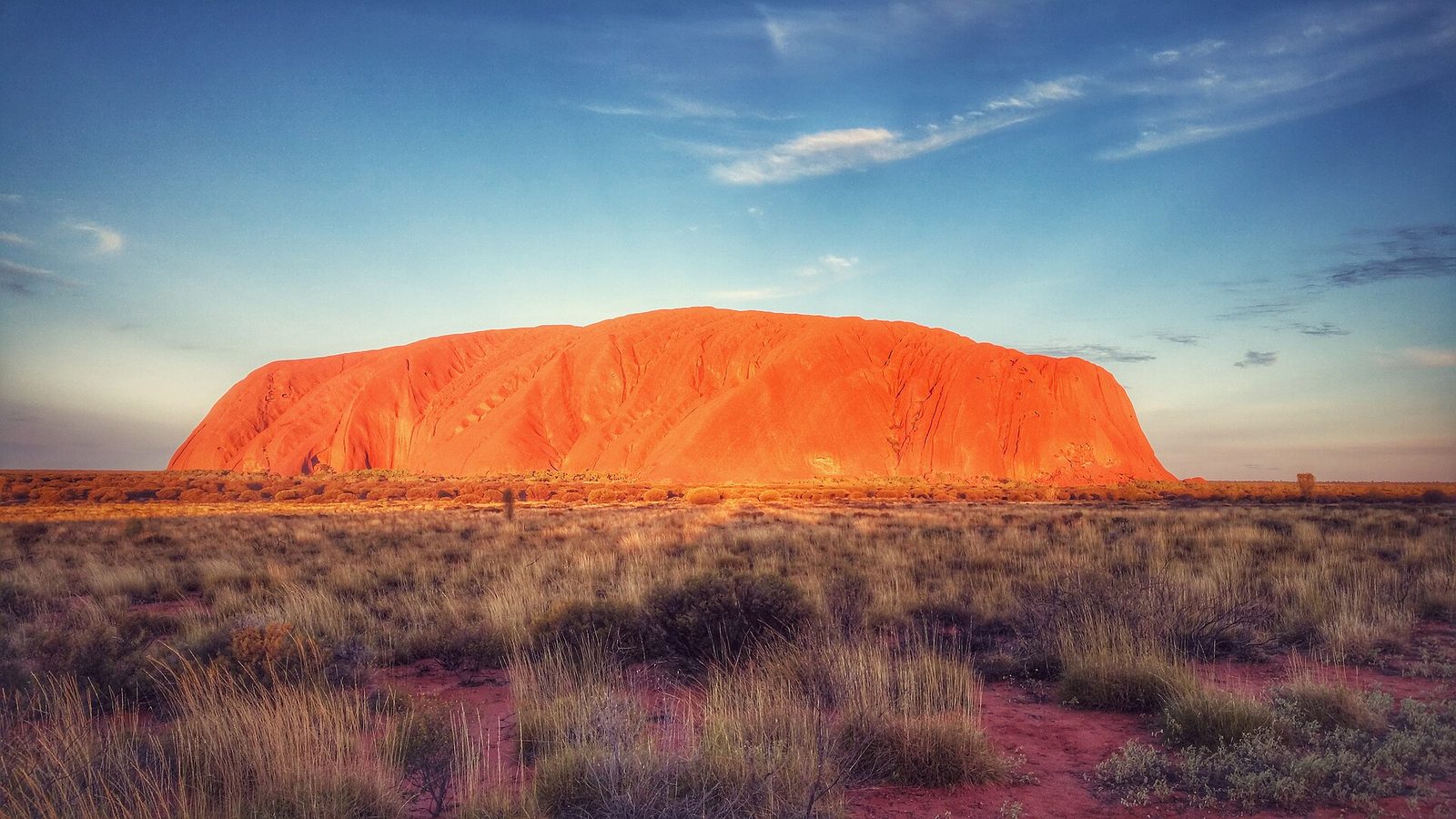

Alice Springs to Uluru is the easiest famous drive in Australia and the one people most often over-prepare for. It is 468 kilometres of sealed highway, per the Northern Territory's Red Centre Way itinerary, running south down the Stuart Highway and then west along the Lasseter Highway to Yulara. There is no gravel, no corrugation and nothing that requires a four-wheel drive.
What it does require is a fuel plan, a park pass, and a realistic idea of how empty the country is between the few places with a shop. The rest is watching the desert change colour from the driver's seat.
The route, and why 468 km is the number to trust
The Northern Territory's tourism body publishes the return leg of the Red Centre Way as Uluru to Alice Springs at 468 kilometres, and that is the sealed highway route. It runs south from Alice Springs on the Stuart Highway to Erldunda, then turns west onto the Lasseter Highway for the run to Yulara and the park entrance.
It is a genuinely easy drive in the technical sense: wide sealed road, long sight lines, and very little traffic outside the middle of the day. What makes it feel long is the country itself, which is flat, red and repetitive in a way that encourages you to stop every twenty minutes to photograph something you have already photographed.
There is an alternative, the Red Centre Way proper, which loops west through the West MacDonnell Ranges and up to Kings Canyon before coming back to Uluru. It is the better drive and it is not the same trip. The Territory's own guidance notes that it includes a short section of unsealed road through Tjoritja, and advises two-wheel drive travellers to take the completely sealed loop option instead.
Two-wheel drive or four?
For the direct Alice Springs to Uluru run, two-wheel drive is completely sufficient and there is no argument otherwise. The highway is sealed end to end and a standard campervan will do it without drama.
A four-wheel drive earns its place if you want the Red Centre Way loop, the Mereenie Loop section, or any of the station tracks that branch off the highway. It is not needed for the icons. If your plan is Uluru, Kata Tjuta and Kings Canyon via sealed roads, you are paying for capability you will not use.
The one thing worth checking before you leave is your spare. A puncture 200 kilometres from the nearest tyre shop is the most common way this drive goes wrong, and the desert does not care what you paid for the hire.
Fuel, water and the gaps
Fuel is available at Alice Springs, at Erldunda at the highway junction, and at Yulara. That is a comfortable spread for 468 kilometres, and the planning is simple: leave Alice Springs full, and if you are towing or driving something thirsty, top up at Erldunda.
Water is a different calculation. Carry at least four litres per person per day, more in summer, and keep it in the cab rather than in the back. If you break down, the advice from every roadside sign between here and the Rock is the same: stay with the vehicle, it is easier to find than you are.
There is fuel and a campground at Curtin Springs on the way in, which is worth knowing if you are arriving late and would rather not push through to Yulara in the dark.
- Fill at Alice Springs before you leave, and again at Erldunda if you are towing or driving something thirsty.
- Carry at least four litres of drinking water per person per day, and keep it in the cab rather than the back.
- Check the spare tyre and know where the jack is before you leave the depot.
- Plan to arrive before dark — fuel stops close early and the wildlife comes out at dusk.
Speed limits, wildlife and the way people drive out here
Outside built-up areas the default speed limit in the Northern Territory is 110 km/h, and some sections of the Stuart Highway are signed at 130 km/h, according to the Northern Territory Government. The 130 signs are not an invitation; they are a limit for a road that is straight, dry and empty, and a campervan is not the vehicle to explore the difference.
Wildlife is the real hazard on this stretch. Kangaroos and cattle move at dawn and dusk, and a cow on a dark road at 110 km/h is not a survivable event in a camper. Plan your driving to finish before sunset, which in the Red Centre also happens to be when the rock looks best.
Road trains use the Stuart Highway, and they do not stop quickly. If you are being overtaken, hold your line and let them go; if you are overtaking one, do it decisively and with clear road ahead.
The park pass, and what it covers
Uluru-Kata Tjuta is a national park and entry requires a pass, which can be bought online before you arrive. Parks Australia lists an adult pass at $38 for three days or $50 for an annual pass, with children and teenagers under 18 free.
Three days is the right amount for most people: one for Uluru at sunrise and the base walk, one for Kata Tjuta and the Valley of the Winds, and one spare for a sunset or a ranger-guided activity. The annual pass only makes sense if you are coming back within the year, which some people do.
Note that the pass is for the park, not for Yulara. The resort, the campground and the airport sit outside the boundary, so you can stay and eat without one, and you only need it when you drive through the entrance station.
Do not plan around climbing Uluru. The climb closed in October 2019 and the park's cultural advice is to walk the base instead, which is a better experience anyway and takes a few hours at an easy pace.
Doing it as a one-way hire
The obvious version is a loop: collect in Alice Springs, drive down, and come back the same way. That is fine, and it is what most people do, but it does mean 468 kilometres of the same highway in both directions.
If a one-way is available on your dates, it is worth asking about when you book, because the return leg is the least interesting driving in the Red Centre. Otherwise, break the return at Erldunda or Curtin Springs rather than doing both directions in a day — the light on the way back into Alice Springs at dusk is the best part of the trip and you will miss it if you are tired.
Collecting the van through campervan hire in Alice Springs puts you on the Stuart Highway with a full tank and a straightforward run south. If you have a spare day, spend it in the West MacDonnells rather than adding another hour of highway, and Alice Springs trip ideas covers the gorge drive and the town itself.
For the drive, a Johnny Feelgood campervan is more than enough vehicle for a sealed desert highway, and the headroom matters when you are sitting out a hot afternoon under the awning.
Questions people ask before booking
The Red Centre attracts more over-planning than any other Australian drive, and most of it is unnecessary. The road is sealed, the fuel is where you would expect it, and the park is well run.
The two questions below cover the things that genuinely change what you book.
- Can you drive from Alice Springs to Uluru in a day?
- Yes, comfortably. It is 468 kilometres of sealed highway, and most people do it in a morning with a stop at Erldunda. The mistake is doing it in the middle of a summer day, when the heat and the glare make the second half unpleasant.
- Do you need a 4WD to see Uluru?
- No. The highway to Yulara is sealed and a two-wheel drive campervan is fine. A 4WD is only worth it if you want the unsealed sections of the Red Centre Way or the station tracks off the highway.
Sources
Pick a depot for this trip
Every guide here starts at one of the eleven depots. The location pages carry the address, the hours and what is worth driving to first.